
Understanding Dizziness ICD 10 Codes in Outpatient and ER Billing
Ensure accurate outpatient and ER billing with dizziness ICD 10 codes. Follow proper documentation and coding practices to prevent claim rejections.
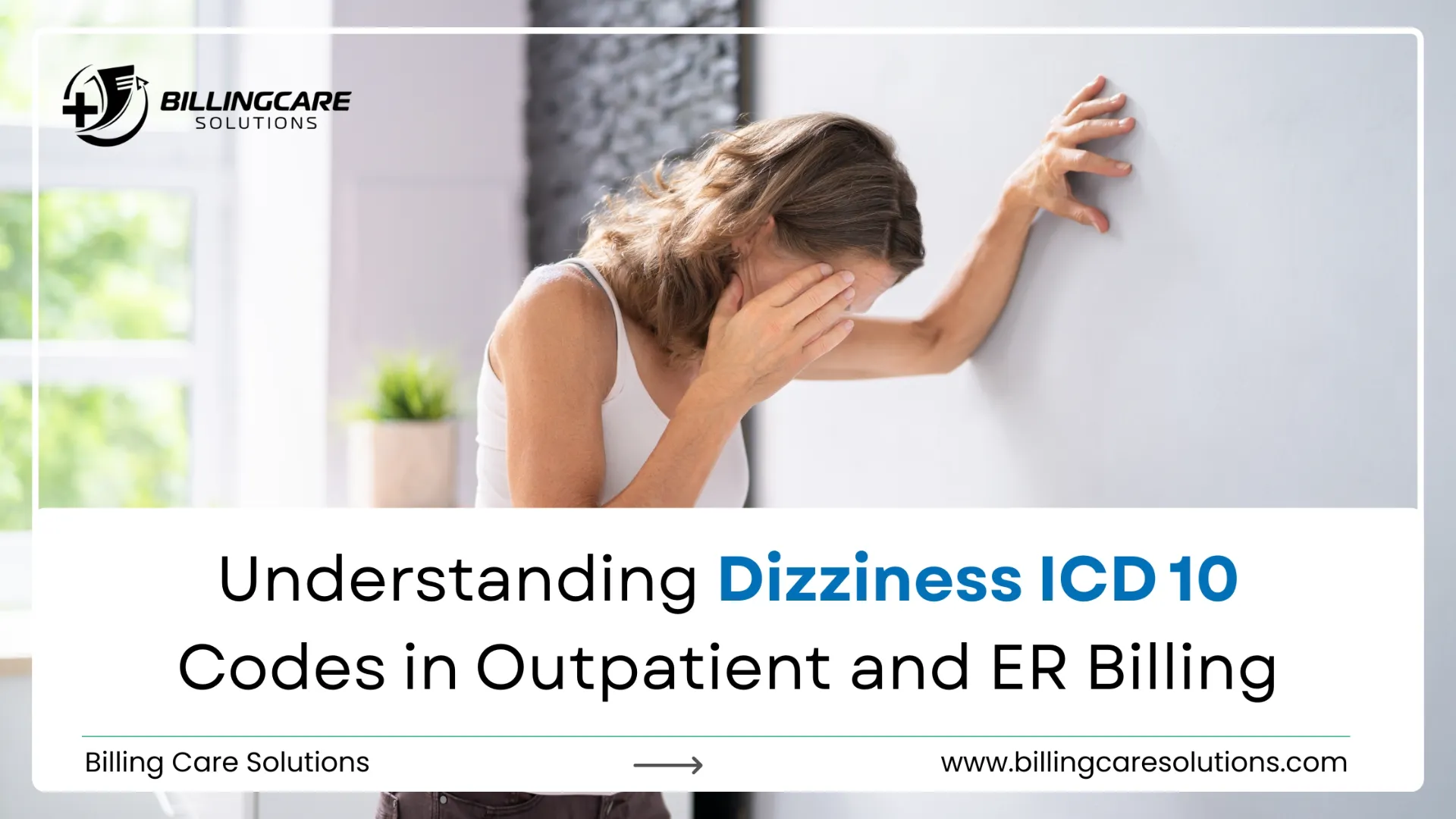
Proper medical billing demands the correct diagnosis coding and this is critical to such common complaints as dizziness. The role of the dizziness ICD 10 codes in outpatient and emergency room billing is essential to the reimbursement rates and claim approval. The knowledge of such codes can be used to make sure that healthcare providers do not miss proper documentation and prevent expensive mistakes in billing.
What is Dizziness ICD 10 Coding?
Dizziness ICD 10 coding is the standard system of coding the different kinds of dizziness and vertigo that are recorded in a medical record. The 10th Revision of the International Classification of Diseases (ICD-10) offers specific codes which describe the origin, nature, and intensity of the symptoms of dizziness. Such codes are very critical in conveying information regarding diagnosis between medical practitioners and insurance companies.
The primary dizziness ICD 10 is the R42, which deals with general dizziness and giddiness. Nevertheless, medical coders need to be aware of the difference between various forms of dizziness in order to choose the most precise code. This particularity guarantees the appropriate reimbursement and adherence to the billing laws.
Common Dizziness ICD 10 Codes Used in Medical Billing
Healthcare facilities encounter various dizziness-related diagnoses that require specific coding. Here are the most frequently used dizziness ICD 10 codes in outpatient and emergency room settings:
| ICD-10 Code | Description | When to Use |
|---|---|---|
| R42 | Dizziness and giddiness | Use for general dizziness when no specific cause is identified. |
| H81.1 | Benign paroxysmal vertigo | Use for episodic vertigo attacks consistent with BPPV. |
| H81.49 | Vertigo of central origin, unspecified | Use when vertigo is attributed to a central nervous system cause. |
| H81.399 | Other peripheral vertigo, unspecified ear | Use for inner ear–related vertigo when the specific ear is not documented. |
| R55 | Syncope and collapse | Use when dizziness is associated with fainting or loss of consciousness. |
Specific Vertigo-Related Dizziness ICD 10 Codes
Vertigo represents a specific type of dizziness that requires more detailed coding. Understanding these specific dizziness ICD 10 codes helps differentiate between various vertigo conditions:
| ICD-10 Code | Description | When to Use |
|---|---|---|
| H81.10 | Benign paroxysmal vertigo, unspecified ear | Use when BPPV is diagnosed but the affected ear is not specified. |
| H81.11 | Benign paroxysmal vertigo, right ear | Use when BPPV is clearly documented in the right ear. |
| H81.12 | Benign paroxysmal vertigo, left ear | Use when BPPV is clearly documented in the left ear. |
| H81.13 | Benign paroxysmal vertigo, bilateral | Use when both ears are affected by BPPV. |
| H81.23 | Vestibular neuronitis, bilateral | Use for bilateral inflammation of the vestibular nerve. |
Dizziness ICD 10 Coding for Outpatient Settings
The outpatient facilities have special issues with coding of dizziness. ICD 10 code of dizziness used in outpatient areas requires comprehensive records of the symptoms of the patients, their duration and comorbid conditions. Code correctness also influences the reimbursement of the facility and enables it to monitor patient outcomes in the long run.
Coders in outpatient clinics have to tell the difference between acute and chronic dizziness. The documentation made by the physician must contain the time when the symptoms started, the number of the episodes, and possible triggers/relief factors. This fact informs the choice of the best dizziness ICD 10 code.
Outpatient billers are also supposed to think about the secondary diagnoses which might cause dizziness like high blood pressure, diabetes or anxiety disorders. These other codes will give us the whole picture of the patient's condition and can be used to justify that some procedures or tests are medical necessities.
Emergency Room Billing with Dizziness ICD 10 Codes
A large number of patients with the symptom of dizziness are presented to emergency departments. The dizziness ICD 10 code in emergency departments needs fast but precise evaluation to assist in the level of service to be billed. Coders in the emergency room are to reflect the urgency and the complexity of the situation of the patient.
ER billing of dizziness is commonly associated with various diagnostic tests, such as imaging, bloodwork and cardiac monitoring. The primary dizziness ICD 10 code should be one which reflects the largest diagnosis made in the emergency visit. In case the underlying cause is not known, code R42 of general dizziness is suitable.
Emergency departments are to record whether they are related to some other worrying symptoms such as chest pains, neurological losses or trauma. These are the ones that affect the coding as well as the level of the emergency department that the visit is assigned to.
Key Differences Between R42 and H81 Code Categories
Code R42 - Dizziness and Giddiness
The ICD 10 code of this type of dizziness is applied in case the patient has general lightheadedness or unsteadiness and has no specific diagnosis of vertigo. It is used in cases where the aetiology of dizziness is not known, or where several factors cause the symptoms.
Code H81.9 Disorders of Vestibular Function
Such dizziness ICD 10 codes are more precise and demonstrate a diagnosed disorder of the vestibules. They need to report vertigo, which is a feeling of being in a whirlwind or feeling that the surrounding world is in motion.
Documentation Requirements for Accurate Dizziness ICD 10 Coding
Correct dizziness ICD 10 coding is based on proper documentation. To facilitate the selection of the code, healthcare providers are required to document certain information concerning the symptoms of the patient. Lack of documentation causes upholding claims, withholding of payments, and audit risks.
The key elements of documentation needed in the case of dizziness will be the type of sensation (spinning, lightheadedness, imbalance), the duration of the sensation, the frequency of the events, other associated symptoms (nausea, hearing loss, tinnitus), and those that aggravate it or ameliorate it. The providers are also supposed to record any diagnostic testing done and the findings.
The medical coders need to look through the whole encounter note such as history of present illness, review of systems, physical examination findings, and assessment as well as plan. This thorough examination will be able to prevent any false representation of the clinical assessment by the provider that is in accordance with the chosen dizziness ICD 10 code.
Common Coding Errors with Dizziness ICD 10
The dizziness ICD 10 error in billing may lead to deny claims and loss of revenue. Knowledge of pitfalls to avoid allows the billing departments to avoid the following pitfalls:
Application of Unspecified Codes in the presence of specific information.
Most coders will revert to general codes such as R42 but more specific dizziness ICD 10 codes would fit given the documentation. Always revisit to find chances of using more specific codes.
Mistaking Dizziness and Vertigo
Not all dizziness is vertigo. Codes H81 should not be used when the patient reports being lightheaded in general, and not spinning, but this will prompt an audit.
Inability to Code Associated Conditions
Dizziness may be a result of other conditions. The absence of secondary diagnoses leads to the incomplete coding and might not justify medical need of specific services.
Laterality Omissions
Certain dizziness ICD 10 codes entail laterality (right, left, or bilateral). The exclusion of this information during documentation causes the claims to be rejected.
Best Practices for Dizziness ICD 10 Coding
Dizziness ICD 10 best practices promote accurate billing and decrease claims rejection. These are some of the major strategies that should be considered in healthcare organizations:
Offer Continued Training:
Routine training will ensure the coders and providers are aware of the changes in the dizziness ICD 10 codes and documentation guidelines. This learning must have a practical example and case studies.
Use Coding Resources:
Have ready to hand current ICD-10 code manuals, coding software and clinical documentation improvement tools. These tools assist the coders in choosing the most appropriate code of dizziness ICD 10 to be used in every encounter.
Introduce Query Processes:
Have definite procedures set on coders to query providers in cases of unclear or incomplete documentation. Timely queries mean no wrong coding and claim filing is not delayed.
Conduct Frequent audits:
Periodic reviews of dizziness-related claims reveal the trends in coding, frequent errors and areas of improvement. Such audits must contain feedback to coders and providers.
Normalize Documentation Templates:
Develop templates that require providers to record all the required information to achieve accurate dizziness ICD 10 codes. The templates enhance completeness and consistency of clinical documentation.
Modifications and Revisions of Dizziness ICD 10 Codes
ICD-10 code set is revised annually on October 1 st every year. To ensure the accuracy and compliance of coding, healthcare organizations need to remain well aware of any change that may impact the dizziness ICD 10 codes. The updates can be new codes, deleted codes, new description or modifications of coding rules.
Billing departments need to develop protocols that would be used in the implementation of ICD-10 updates, such as updating coding software, training, and communication of changes to the providers. Revenue protection and lowering audit risk are associated with staying updated with a dizziness ICD 10 code.
Conclusion:
Dizziness ICD 10 coding is critical towards correct medical billing in either outpatient or emergency room. Appropriate reimbursement, medical necessity and adherence to the regulations of the billing will be maintained with the help of proper choice of the codes. Medical practitioners should record the signs of dizziness in detail, and the coders should be aware of the distinctions between the codes of dizziness and vertigo.
Healthcare organizations can streamline their dizziness ICD 10 coding processes by adopting the best practices and offering continuous education and conducting regular audits. This detailed attention guarantees revenue, lessens claim denials, and enhances billing effectiveness in general.
In the Billing Care Solutions, we know the issues surrounding medical coding and billing. We are the experts in the ICD 10 code of dizziness so that healthcare providers can get their maximum back and be compliant at the same time. You may require us to support your practice financially whether through outpatient billing, emergency room claims or the overall revenue cycle management.
Problem with Medical Billing and Coding?
At Billing Care Solutions we deal with proper coding of medical services and full revenue cycle management. Today, call us and we can discuss how we can streamline your billing and increase the financial performance of your practice.
